


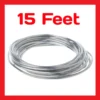
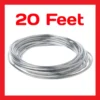
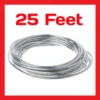
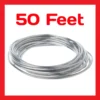

Description
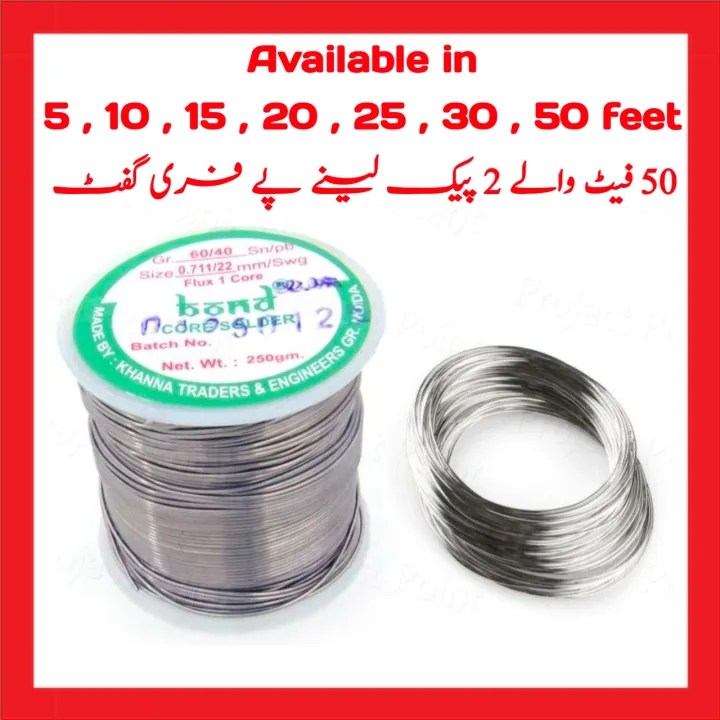
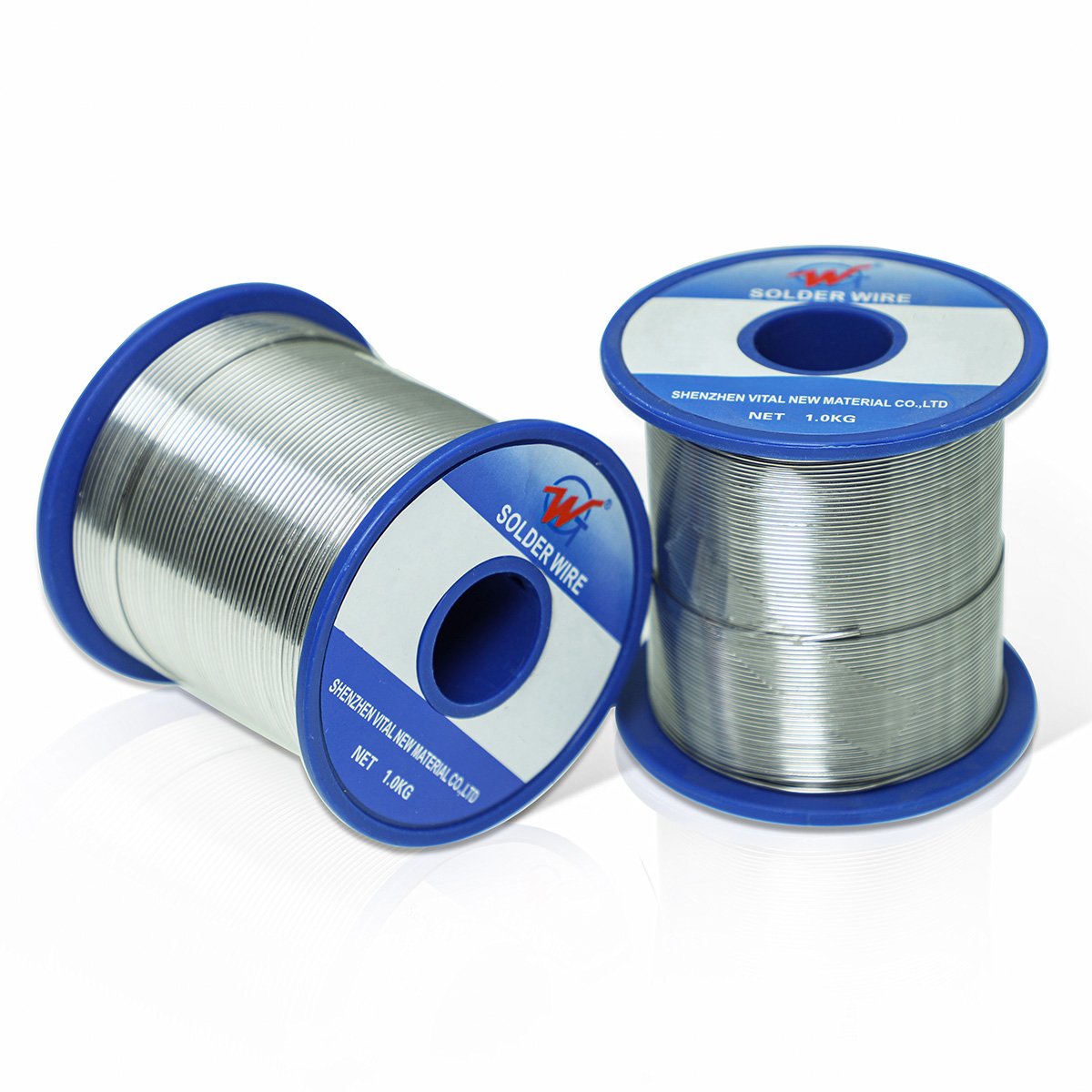
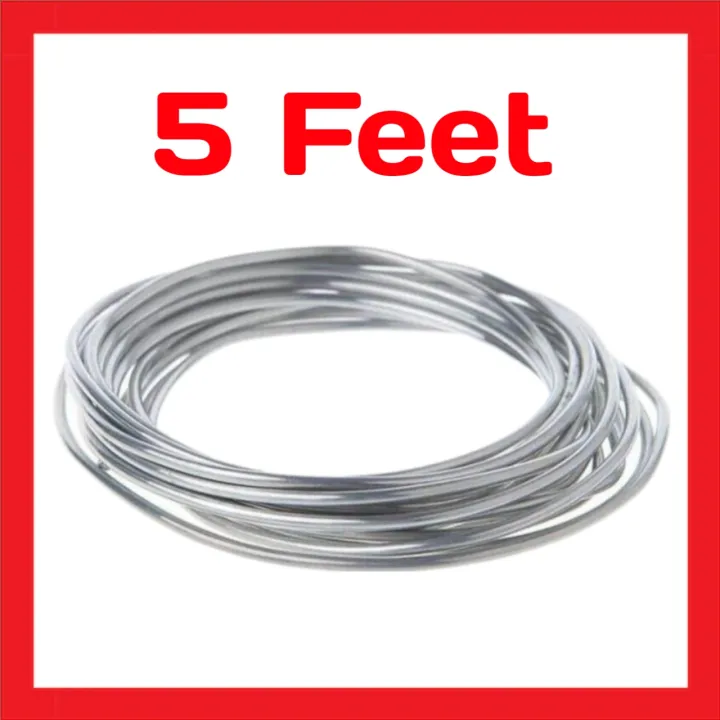
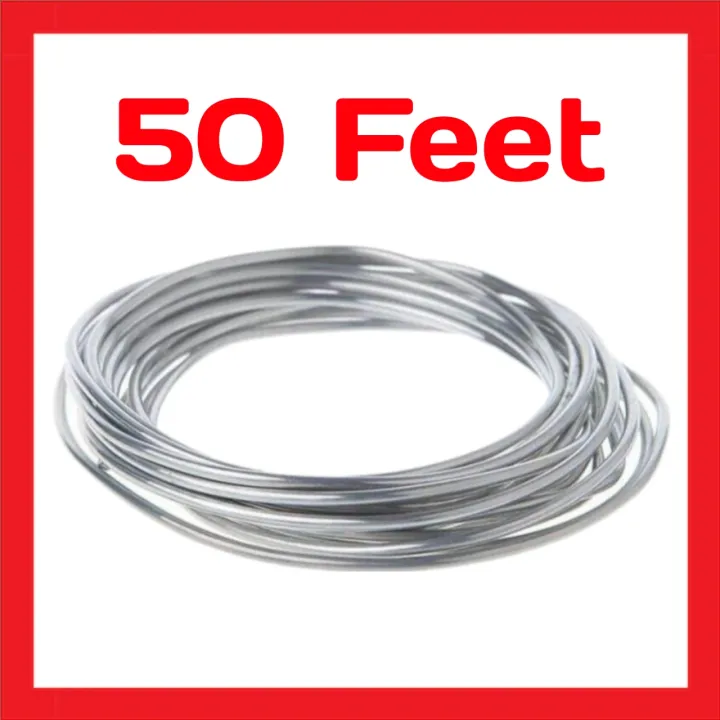
Solder wire is a fusible metal alloy, typically with a low melting point, that creates a permanent electrical or mechanical bond between metal surfaces. Available in various compositions, such as lead-tin alloys or lead-free alternatives, it is used in electronics and plumbing. Soldering wire often contains a core of flux, which cleans the metal, and comes wound on a spool for ease of use.
Purpose
Bonding:
Solder wire melts with a soldering iron to wet the metal surfaces, forming a secure, permanent connection as it cools.
Conduction:
In electronics, solder also acts as an electrical conductor, ensuring connectivity between components.
Mechanical Strength:
It can also be used to create strong mechanical joints in applications like plumbing and sheet metal work.
Types of Solder Wire
Leaded Solder:
Commonly made from tin and lead, these alloys are favored for their excellent conductivity and ease of use, though they are toxic and should be handled with care.
Lead-Free Solder:
Composed of tin, silver, and copper alloys, lead-free solder offers good mechanical properties and is less prone to deformation, providing a safer, environmentally friendlier option.
Key Components
Alloy:
The primary material, chosen based on the application’s melting point and strength requirements.
Flux:
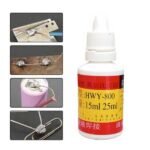
A core material designed to clean the metal surface by removing oxides, improving solder flow and ensuring a stronger bond.
How It’s Used
Melting: The wire is heated with a soldering iron until it melts.
Application: The molten solder is then applied to the metal pieces to be joined.
Bonding: It flows between the parts, creating a secure electrical and/or mechanical connection as it cools and solidifies.




Reviews
There are no reviews yet.